TRT Clinic in La Jolla: How Comprehensive Evaluations Make a Difference
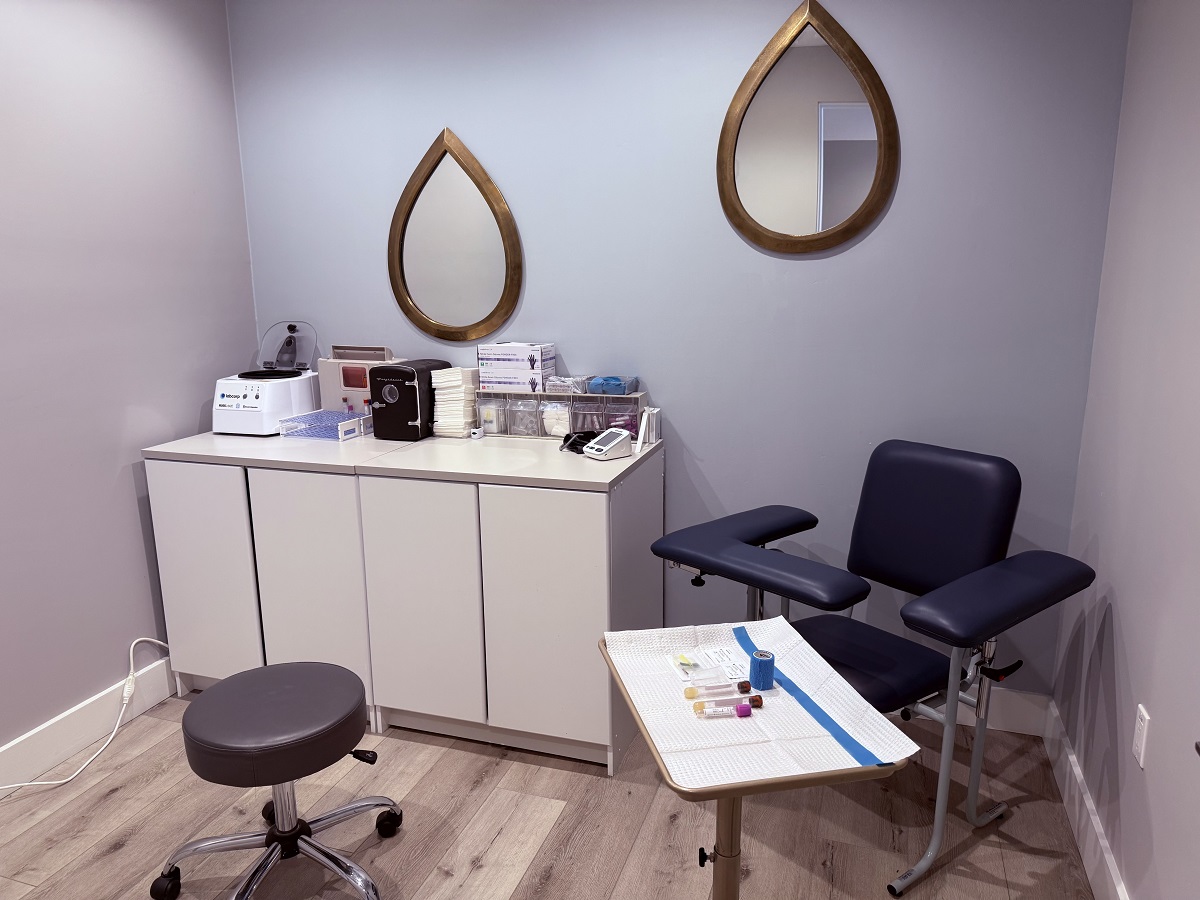

A man walks into a clinic because he feels tired, foggy, less motivated, and not quite like himself. He has read about testosterone replacement therapy online, maybe heard a friend rave about it, and now he wants answers. What happens next matters far more than many people realize.
At a high-quality TRT clinic in La Jolla, the conversation should not begin and end with a single testosterone number. It should start with a broad clinical question: what is actually driving these symptoms, and is testosterone deficiency truly part of the picture? That distinction is where careful medicine separates itself from fast medicine.
Testosterone therapy can be appropriate and genuinely trt clinic La Jolla life-changing for the right patient. It can improve energy, libido, body composition, mood, and sense of well-being in men with confirmed hypogonadism. It can also be the wrong treatment for symptoms that stem from sleep apnea, thyroid disease, chronic stress, medication side effects, depression, alcohol use, overtraining, insulin resistance, or simple sleep deprivation. Those conditions do not disappear because someone gets a prescription.
That is why comprehensive evaluation matters. It protects patients from being overtreated, undertreated, or treated for the wrong problem entirely. In a place like La Jolla, where patients are often informed, busy, and expecting high standards, a thoughtful diagnostic process should be the baseline, not a luxury.
Symptoms are real, but they are not a diagnosis
Low testosterone symptoms are often nonspecific. Fatigue is a classic example. So is reduced sex drive. Trouble building muscle, slower recovery after exercise, irritability, low mood, poor focus, and increased abdominal fat all show up in men with low testosterone, but they also appear in men with normal testosterone who are sleeping five hours a night and living on caffeine.
A comprehensive clinic does not dismiss symptoms, but it also does not oversimplify them. The best evaluations take the patient’s experience seriously while recognizing that several conditions can create almost the same story. In practice, this means asking detailed questions that many shortcut clinics skip.
How long has the fatigue been present? Is it constant or worse at certain times of day? Has libido declined gradually or suddenly? Has there been weight gain, and if so, how much? What is sleep like, including snoring or nighttime awakenings? Are there fertility goals? Any prior anabolic steroid use? Is the patient taking opioids, SSRIs, finasteride, corticosteroids, or other medications known to affect hormones?
Those details shape the evaluation. A 34-year-old man who recently stopped using performance-enhancing drugs presents very differently from a 62-year-old man with type 2 diabetes, central obesity, and long-standing erectile dysfunction. Both might ask about TRT, but the clinical path forward is not the same.
The first lab result is rarely the whole story
One of the most common mistakes in hormone care is overinterpreting a single blood test. Testosterone levels fluctuate. They vary by time of day, sleep quality, illness, calorie intake, and lab method. A borderline low result in the afternoon after poor sleep is not the same as repeated low morning values in a symptomatic patient.
A careful TRT clinic in La Jolla should usually confirm results with properly timed testing, often in the morning, when levels are generally highest. If the first test is low or borderline, repeating it can prevent poor decisions based on a misleading snapshot. That simple step matters.
The interpretation also goes beyond total testosterone. Total testosterone alone can miss clinically relevant nuances. Sex hormone-binding globulin, or SHBG, can affect how much testosterone is biologically available. A man with a normal total testosterone but very high SHBG may still have low free testosterone and symptoms. Another man may show a low-normal total level but have adequate free testosterone.
Clinicians who treat this seriously often look at a broader hormonal picture. That may include luteinizing hormone and follicle-stimulating hormone to help distinguish primary from secondary hypogonadism, estradiol where clinically appropriate, and prolactin if there are signs that point in that direction. Thyroid markers, metabolic markers, complete blood count, liver function, and PSA may also be part of a proper baseline depending on age, history, and risk factors.
This is not overcomplication. It is basic endocrine reasoning.
Why underlying cause matters as much as treatment
Testosterone deficiency is not one single disease with one single cause. Sometimes the testes are not producing enough testosterone despite adequate signaling from the brain. Sometimes the issue is upstream, involving the hypothalamus or pituitary. Sometimes the pattern is functional and reversible, driven by obesity, sleep deprivation, untreated sleep apnea, acute illness, excessive endurance training, or caloric restriction.
That distinction influences both safety and outcomes.
A patient with obesity-related suppression may improve substantially with weight loss, sleep optimization, and treatment of insulin resistance. A patient with severe sleep apnea may continue feeling terrible until the apnea is addressed, even if testosterone is prescribed. A patient with a pituitary issue needs a very different workup than a patient with age-related decline.
One of the biggest advantages of a comprehensive evaluation is that it keeps the clinician from treating the lab in isolation. Numbers matter, but context matters more. When the cause is identified clearly, therapy becomes more precise.
I have seen men arrive convinced they need testosterone, only to discover a different issue that explains almost everything. Sometimes it is sleep apnea, which is remarkably common and often underestimated. Sometimes it is a medication effect. Occasionally it is a trt clinic La Jolla thyroid problem hiding in plain sight. The best outcome is not always getting TRT. The best outcome is getting the right answer.
The physical exam still has value
Good hormone care is not purely virtual and not purely laboratory-based, even if telemedicine plays a role. A focused physical exam can provide important clues.
Body composition, blood pressure, waist circumference, breast tissue changes, testicular volume, hair pattern, and signs of insulin resistance all contribute to clinical judgment. Even observing how a patient appears, energetic or depleted, lean or centrally obese, anxious or flat, can sharpen the picture. None of those findings confirm a diagnosis on their own, but together they matter.
La Jolla patients often expect efficiency, and that is reasonable. Still, efficient is not the same as rushed. A brief but careful exam can reveal enough to prompt better testing and better conversations.
Fertility changes the entire conversation
This is one area where clinics can do real harm if they move too quickly. Many men do not realize that exogenous testosterone can suppress sperm production, sometimes significantly. A patient in his late 20s or 30s may seek treatment for low libido or fatigue without understanding that standard TRT can affect fertility plans.
A comprehensive evaluation includes direct questions about future family goals before any prescription is written. If fertility matters, the strategy may look very different. In some cases, clinicians consider alternatives or adjunctive approaches designed to support endogenous function, depending on the diagnosis and the patient’s goals. Not every patient is a candidate for every option, but that discussion should happen early, not after the fact.
This is where professionalism becomes tangible. A clinic that asks about fertility before discussing medications is showing its priorities. A clinic that skips that conversation is telling you something too.
Not every candidate for TRT is an ideal candidate right now
Appropriate screening is not about creating barriers. It is about reducing avoidable risk.
Some patients need a pause before treatment begins. Elevated hematocrit at baseline, uncontrolled severe sleep apnea, unstable cardiovascular status, active plans for near-term fertility, unexplained prostate symptoms, or certain abnormal lab findings may change the timeline or the treatment approach. That does not mean TRT is permanently off the table. It means the evaluation is doing its job.
The clinics that stand out are often the ones willing to say, “Not yet,” or “We need to clarify this first.” That may feel disappointing in the moment, but it reflects sound medical judgment. Fast prescribing can feel gratifying for a week. Thoughtful prescribing protects health over years.
Monitoring is where good clinics prove themselves
The evaluation does not end when treatment starts. In many ways, that is when the real clinical work begins.
A patient on TRT needs follow-up, not just refills. Symptoms should be tracked alongside objective markers. Energy, libido, mood, exercise recovery, erectile function, sleep, and body composition all matter, but so do hematocrit, estradiol in selected cases, PSA where appropriate, liver markers when relevant, and blood pressure. Dose changes should be based on pattern recognition, not impatience.
A common mistake in less careful settings is chasing perfect numbers rather than clinical balance. Higher is not always better. Testosterone pushed too high can create its own problems, including acne, fluid retention, mood volatility, rising hematocrit, and in some cases worsened sleep-disordered breathing. If a patient feels somewhat better but develops headaches, flushing, or worsening snoring, that deserves attention.
The follow-up plan should feel structured, not vague. A well-run clinic typically addresses a few essentials from the start:
- when repeat labs will be drawn and how timing relates to dosing
- what symptom changes to expect, and over what timeframe
- which side effects should prompt a call sooner
- how fertility, blood counts, and cardiovascular risk will be monitored
- what would make the team reconsider dose, formulation, or diagnosis
That kind of clarity reassures patients and improves outcomes. It also reduces the trial-and-error approach that gives hormone care a bad reputation.
Delivery method matters, but it is not the whole story
Patients often focus on whether injections, creams, or other formulations are “best.” The honest answer is that the best option depends on the patient.
Injections can be effective and cost-efficient, but dose timing and symptom fluctuations matter. Topical formulations avoid needles and may provide steadier daily administration for some men, but absorption varies and transfer precautions are important. Other delivery methods have their own trade-offs in convenience, cost, and consistency.
A comprehensive clinic helps the patient choose based on lifestyle, skin sensitivity, travel schedule, adherence habits, and lab response, not just marketing. A man who travels weekly and struggles with routine may do poorly on a plan that looks excellent on paper. Another patient may value stable daily habits and dislike injections enough that adherence suffers. The right formulation is the one the patient can use safely and consistently while meeting treatment goals.
This is another reason full evaluation matters. The diagnosis is only half the challenge. The long-term fit of the treatment plan matters just as much.
The La Jolla factor: high expectations, but also higher opportunity
Seeking care at a TRT clinic in La Jolla often comes with a certain expectation of personalized medicine. Patients in this area tend to ask informed questions. Many are active professionals, entrepreneurs, executives, or fitness-oriented men who pay close attention to performance, recovery, and quality of life. They are not just looking for a prescription. They want a plan that makes sense.
That can be a real advantage when the clinic is equipped to meet that standard. Comprehensive evaluation works especially well when patients are engaged enough to provide detailed history, follow through on sleep studies, repeat labs when needed, and adjust training, nutrition, or alcohol use if those factors are contributing.
It also helps that many men in this setting notice subtle performance changes early. They may seek care when the issue is still mild, not after years of progressive symptoms. Early evaluation can uncover reversible contributors before the endocrine picture becomes more entrenched.
At the same time, high-functioning patients can be surprisingly vulnerable to overlooking basic causes. The executive who works late, exercises intensely, sleeps six hours, and eats inconsistently may assume a hormone issue because he is not operating at his old level. Sometimes it is a hormone issue. Sometimes it is chronic physiological debt wearing a hormonal disguise.
What a strong initial evaluation often includes
There is no perfect universal template, but there are features that tend to separate comprehensive care from superficial care. In practice, a strong first visit often includes the following:
- a detailed symptom history, including sexual health, sleep, mood, training, medications, and fertility goals
- a review of prior lab work, followed by correctly timed confirmatory testing when needed
- broader screening for conditions that can mimic or worsen low testosterone symptoms
- a focused physical exam and risk assessment, including blood pressure and body composition clues
- a discussion of benefits, limitations, alternatives, and monitoring before treatment begins
None of this is glamorous. All of it is important.
Why patients should be wary of one-size-fits-all promises
Any clinic that suggests TRT is the answer for every tired, stressed, aging man is overselling the treatment. Testosterone is powerful medicine, not a lifestyle accessory. It can help the right patient considerably, but it is not a substitute for sleep, nutrition, resistance training, mental health care, or treatment of underlying disease.
Patients should also be cautious about promises of immediate transformation. Libido may improve relatively quickly in some men. Mood, strength, body composition, and overall vitality often change more gradually. The timeline depends on baseline levels, adherence, dose, formulation, coexisting illness, and whether the original diagnosis was correct.
There is also a less discussed issue: expectation mismatch. Some men begin therapy hoping to feel 25 again within a month. That is rarely how physiology works. Better care involves setting a realistic target. The goal is not artificial enhancement at any cost. The goal is restoring health and function in a safe, measurable way.
Comprehensive care builds trust because it explains the “why”
Patients generally tolerate complexity when the reasoning is clear. If a clinician explains why a second morning testosterone test is needed, why SHBG changes interpretation, why fertility alters treatment selection, or why snoring points toward a sleep study, the process feels intentional rather than obstructive.
That matters because TRT is often a long-term decision. Men who start therapy need confidence that their clinician is paying attention to the full picture, not simply maintaining a subscription. Trust grows when patients see that recommendations are specific to their body, goals, and risks.
A polished office and a streamlined intake process are nice. They are not the essence of quality. The essence is whether the clinic can distinguish between a man who needs testosterone, a man who needs a broader medical workup, and a man who may benefit more from targeted lifestyle or metabolic intervention before hormone therapy is even considered.
The real difference is precision
When people talk about a “good” TRT experience, they often mean feeling better with minimal side effects. That outcome usually starts with precision at the evaluation stage. The clinic identifies who truly has testosterone deficiency, who does not, who needs more investigation, and who can proceed safely with a monitoring plan that makes sense.
That precision is what comprehensive evaluations deliver. They reduce misdiagnosis. They improve safety. They help tailor formulation, dosing, and follow-up. They protect fertility conversations. They uncover hidden contributors like sleep apnea, thyroid dysfunction, obesity-related suppression, or medication effects. Most important, they treat the patient as a whole person rather than a lab value.
For anyone considering care at a TRT clinic in La Jolla, that is the standard worth looking for. Not speed for its own sake. Not marketing language. Not a promise that one hormone explains everything. Just disciplined clinical work, done well, with enough depth to make the right decision for the right patient at the right time.
SDBody La Jolla
7710 Fay Ave, La Jolla, CA 92037
+1 858-401-2383
FAQ About trt clinic La Jolla
How much should my TRT cost?
TRT costs depend on the clinical evaluation, medication, laboratory testing, and follow-up plan. Ask for an itemized estimate that includes the initial visit and ongoing monitoring. SDBody La Jolla can explain its current fees after discussing the services being considered.
Will Insurance Pay for TRT in La Jolla?
Coverage depends on your plan, diagnosis, prescribed treatment, and provider network. Ask your insurer about medical necessity requirements, prior authorization, laboratory coverage, and out-of-pocket costs. Confirm SDBody La Jolla's billing arrangements directly; insurance payment is not guaranteed.
Is TRT safer than steroids?
Testosterone is itself an anabolic steroid. Clinician-prescribed replacement for confirmed testosterone deficiency differs from nonmedical steroid use, but it still carries risks and requires monitoring. Possible concerns include increased red blood cell levels and reduced sperm production. Discuss your medical history and fertility goals with a qualified clinician before considering treatment.
Corrections
Spot something wrong? Send it to the desk and it gets fixed in the open.